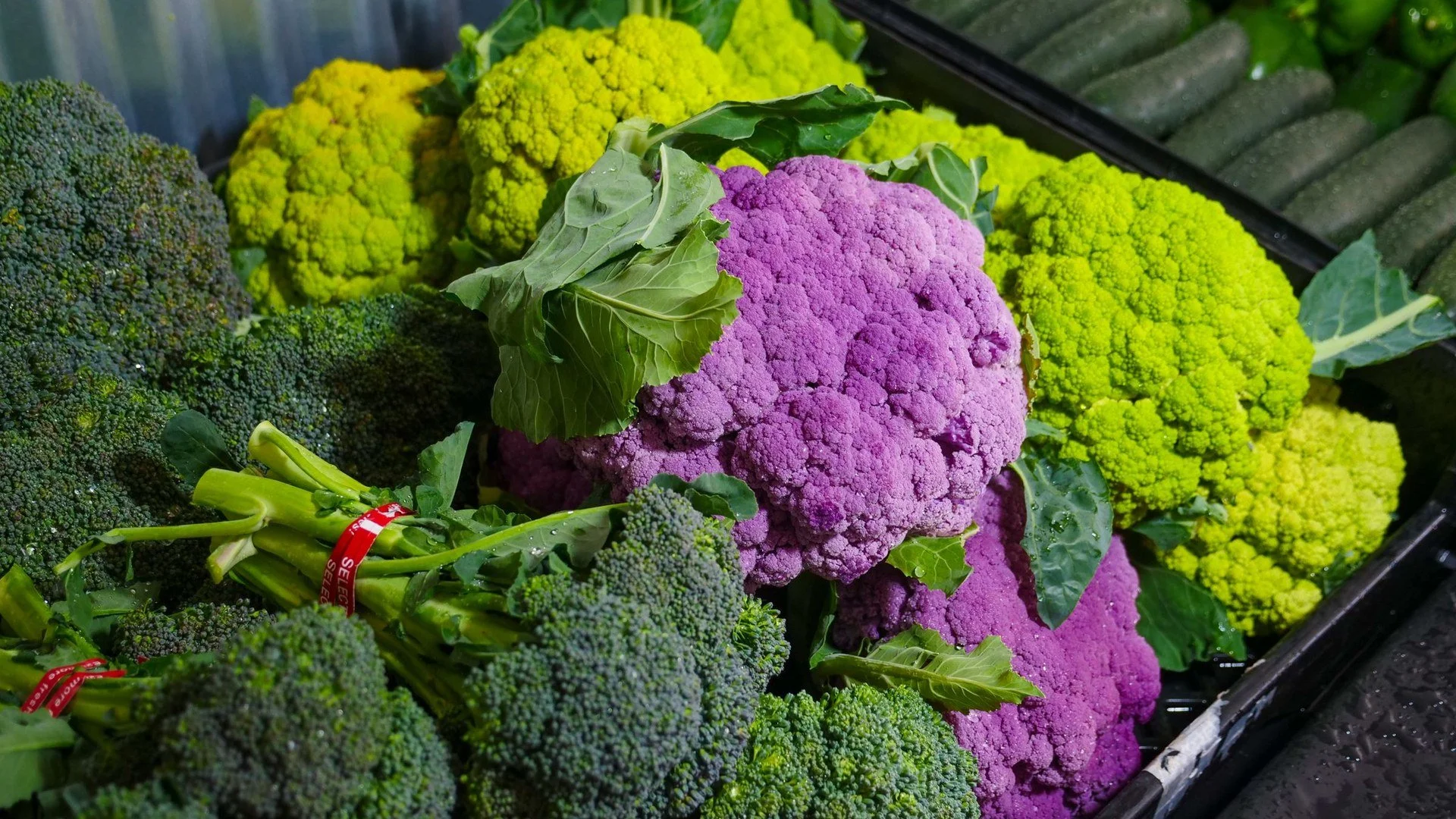
Photo by Kindel Media on Pexels.
By Dr. Joey Grice
Summary: Glutathione is one of your body's main built-in antioxidants, and a family of genes called GSTs helps your body process everyday compounds. Many people are born missing one of these genes entirely. Here's what research shows about GST gene differences, broccoli, and whether glutathione-related supplements raise glutathione levels, along with the limits of each study.
Meet Glutathione, Your Built-In Antioxidant
Your cells constantly manage oxidative stress, a kind of cellular wear and tear. One key defense is glutathione, a small molecule made from three amino acids. Researchers describe it as the most abundant antioxidant your body makes on its own.
Glutathione has partners. A family of enzymes called glutathione S-transferases, or GSTs, helps the body handle and clear many compounds, including some from the environment and some from the foods we eat.
Many People Are Missing a GST Gene
Surprisingly, some GST genes are completely absent in many people. In a 2001 review, Norppa described GSTM1 as an important detoxification enzyme and noted that about 50% of Caucasians lack it because both copies of the gene are deleted (called the "null" genotype). Another gene, GSTT1, is missing in about 10–20% of Caucasians.
Limitations: those percentages come from people of European ancestry and may differ in other groups. Much of this research looked at markers in blood cells, not how people feel day to day. A missing gene points to a difference in one pathway, not a diagnosis.
GST Genes and Broccoli
Broccoli contains a compound that the body turns into sulforaphane. In a small randomized crossover study, Gasper and colleagues gave 16 people standard broccoli, a high-glucosinolate "super broccoli," and water on separate occasions. People missing GSTM1 had slightly higher sulforaphane breakdown products in their blood and cleared them into their urine faster in the first 6 hours than people with the gene.
Limitations: only 16 people took part, and the study measured how sulforaphane was processed over a short time, not long-term wellness outcomes.
Can You Support Glutathione Levels?
The research here is mixed.
Building blocks: In a 2023 randomized trial, Kumar and colleagues gave 24 older adults either glycine plus N-acetylcysteine (NAC), called GlyNAC, or a placebo for 16 weeks. The GlyNAC group, but not the placebo group, showed improvements in glutathione levels, oxidative stress markers, and several measures of mitochondrial function, inflammation, and physical function. The authors reported it was safe and well tolerated. Limitations: only 12 people per group, from a single research group.
Glutathione itself, a negative result: In a 4-week trial of 40 healthy adults, Allen and Bradley found no significant changes in oxidative stress markers or glutathione status with oral glutathione compared with placebo.
Glutathione itself, a positive result: In a longer 6-month trial of 54 non-smoking adults, Richie and colleagues found that glutathione levels in blood rose. In the higher-dose group, levels in red blood cells, plasma, and certain immune cells were 30–35% higher at 6 months. Levels returned to baseline one month after stopping.
Limitations: these trials were small, used different lengths and measurements, and mostly measured blood markers rather than how people felt or functioned in daily life.
What This Means for a Genetic Wellness Plan
GST genes are one piece of a bigger picture that includes methylation, mitochondrial energy, and inflammation. At Genetic Wellness Group, our 94-gene test looks at these pathways together so nutrition and supplementation can be targeted to how your body works. Nutrients don't change your genes, but they may support how your detox and antioxidant pathways do their jobs.
Explore Your Genetic Wellness Plan
Curious whether your GST genes or other detox pathway genes affect your needs? Schedule a genetic wellness consultation with Genetic Wellness Group at our Mars, PA, or Mt. Washington (Pittsburgh) office. Visit geneticwg.com/contact to get started.
This article is for educational purposes only and is not a substitute for personalized advice. Dietary supplements are not intended to diagnose, treat, cure, or prevent any disease. Talk with your healthcare provider before starting or changing any supplement, especially if you are pregnant, nursing, taking medications, or managing a condition.
References
Norppa H. Genetic polymorphisms and chromosome damage. Int J Hyg Environ Health. 2001;204(1):31-38. https://pubmed.ncbi.nlm.nih.gov/11725342/
Gasper AV, Al-Janobi A, Smith JA, et al. Glutathione S-transferase M1 polymorphism and metabolism of sulforaphane from standard and high-glucosinolate broccoli. Am J Clin Nutr. 2005;82(6):1283-1291. https://pubmed.ncbi.nlm.nih.gov/16332662/
Kumar P, Liu C, Suliburk J, et al. Supplementing glycine and N-acetylcysteine (GlyNAC) in older adults improves glutathione deficiency, oxidative stress, mitochondrial dysfunction, inflammation, physical function, and aging hallmarks: a randomized clinical trial. J Gerontol A Biol Sci Med Sci. 2023;78(1):75-89. https://pubmed.ncbi.nlm.nih.gov/35975308/
Allen J, Bradley RD. Effects of oral glutathione supplementation on systemic oxidative stress biomarkers in human volunteers. J Altern Complement Med. 2011;17(9):827-833. https://pubmed.ncbi.nlm.nih.gov/21875351/
Richie JP Jr, Nichenametla S, Neidig W, et al. Randomized controlled trial of oral glutathione supplementation on body stores of glutathione. Eur J Nutr. 2015;54(2):251-263. https://pubmed.ncbi.nlm.nih.gov/24791752/
