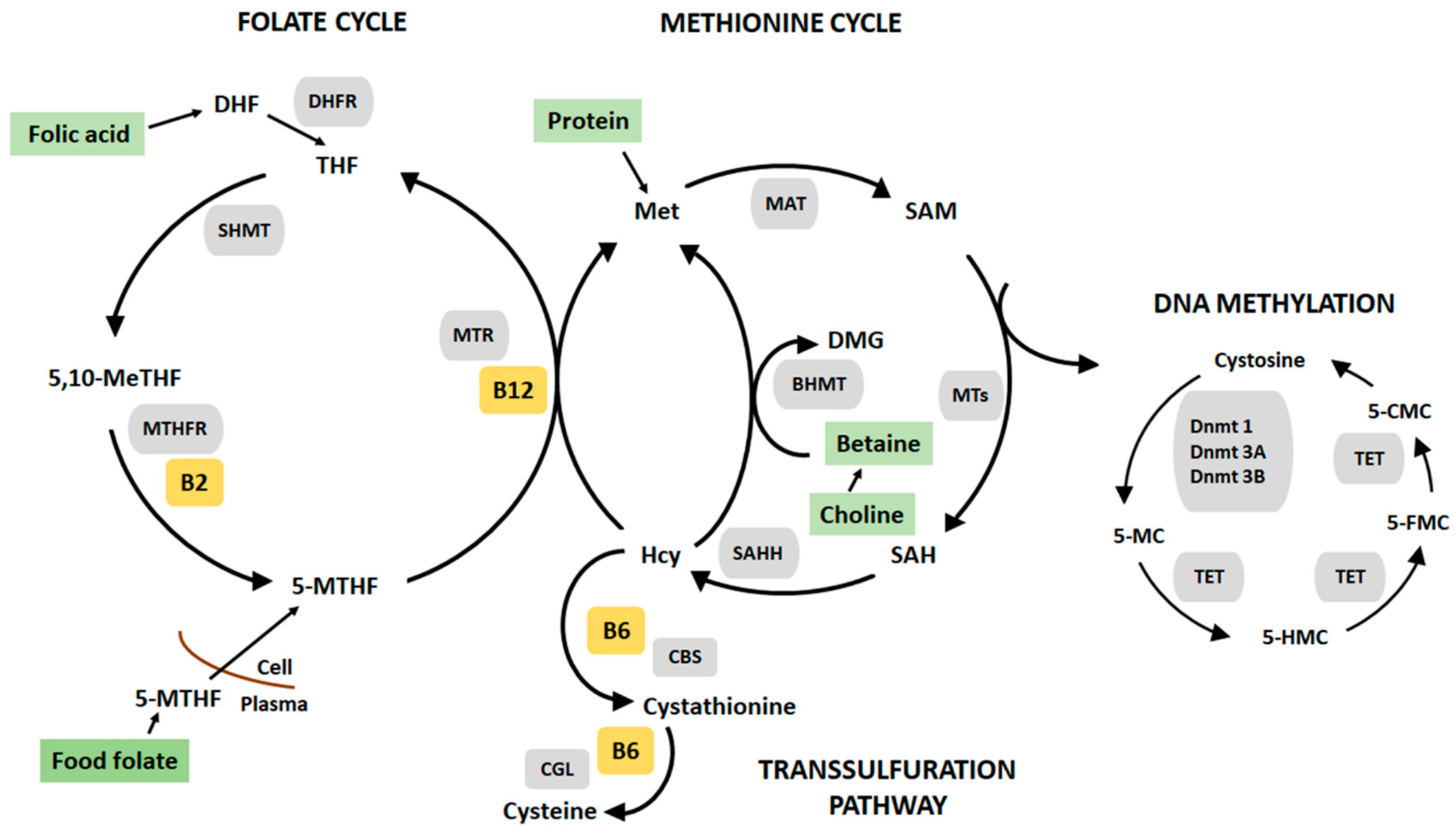
Methylation
Methylation is a vital, daily biochemical process (occurring billions of times per second) that adds a methyl group to DNA, proteins, or other molecules to regulate gene expression, repair DNA, process toxins, and produce neurotransmitters.
There can be SNP’s in genes, such as the MTHFR gene, that can cause the methylation process to slow by as much as 70%. This inefficiency results in symptoms like chronic fatigue, anxiety, depression, allergies, and high homocysteine.
What Is Methylation?
Methylation is one of your body's natural processes that helps keep your cells functioning properly.
Think of your body as a giant factory with trillions of workers (your cells). Every worker needs instructions to know what to do, when to do it, and how to do it.
Methylation helps your body manage those instructions.
It happens billions of times throughout your body every day and plays an important role in your overall health.
What Does Methylation Do?
1. Helps Control Your Genes
Your DNA is your body's instruction manual. Methylation helps determine which genetic instructions are used and which are turned down.
2. Supports Energy Production
Methylation helps maintain metabolic processes that support your mitochondria, the tiny energy-producing structures inside your cells.
3. Supports Brain and Nervous System Function
Methylation helps your body produce and regulate important chemicals involved in mood, focus, and nervous system communication.
4. Helps Your Body Process Substances
Methylation participates in chemical reactions involved in processing hormones, medications, and other compounds.
5. Supports Cellular Maintenance and Healthy Aging
Methylation contributes to DNA regulation, cell maintenance, and normal cellular function throughout life.
How Does Methylation Work?
Your body takes nutrients from food, including folate, vitamin B12, and other nutrients, and uses them in a series of chemical reactions.
One important part of this process is transferring a tiny chemical group called a methyl group from one molecule to another.
Why Does Your DNA Matter?
Everyone has small genetic differences that can affect how certain enzymes involved in methylation work.
For example, genes such as MTHFR, MTR, MTRR, and COMT participate in related biochemical pathways.