Genes and Enzymes
What do Enzymes do?
Genes include instructions in the mRNA on how to make enzymes.
Ribosomes use those instructions to make the enzymes.
Enzymes are just the right shape to bind with the reactants in chemical reactions in the body.
Enzymes speed up chemical reactions by reducing the activation energy of chemical reactions.
This allows more product to be created in less time and for less energy.

SNP’s can cause the enzyme to be the wrong shape.
If the enzyme is the wrong shape, the products of the reaction can’t bind to the enzyme, and the result is that the enzyme no longer lowers the activation energy of the reaction.
Now we no longer get fast, cheap chemical reactions which means we get less of the product of that chemical reaction.
Our bodies now have to make due with less of the product then they would like and this can lead to deficiencies which can lead to disease and illnesses over time.
SNP’s and Enzymes
Methylation
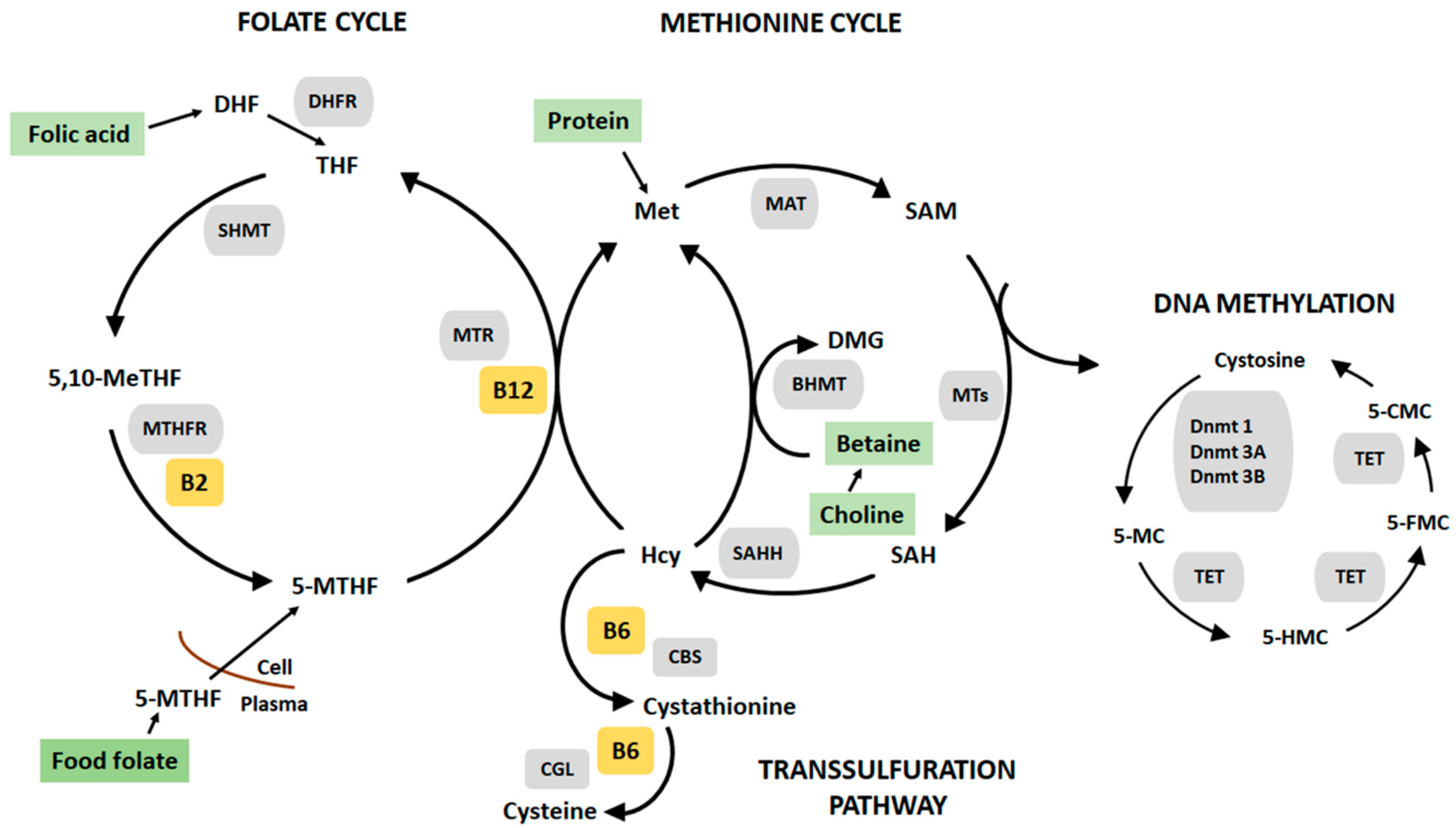
Methylation is a vital, daily biochemical process (occurring billions of times per second) that adds a methyl group to DNA, proteins, or other molecules to regulate gene expression, repair DNA, process toxins, and produce neurotransmitters.
There can be SNP’s in genes, such as the MTHFR gene, that can cause the methylation process to slow by as much as 70%. This inefficiency results in symptoms like chronic fatigue, anxiety, depression, allergies, and high homocysteine.
Homocysteine
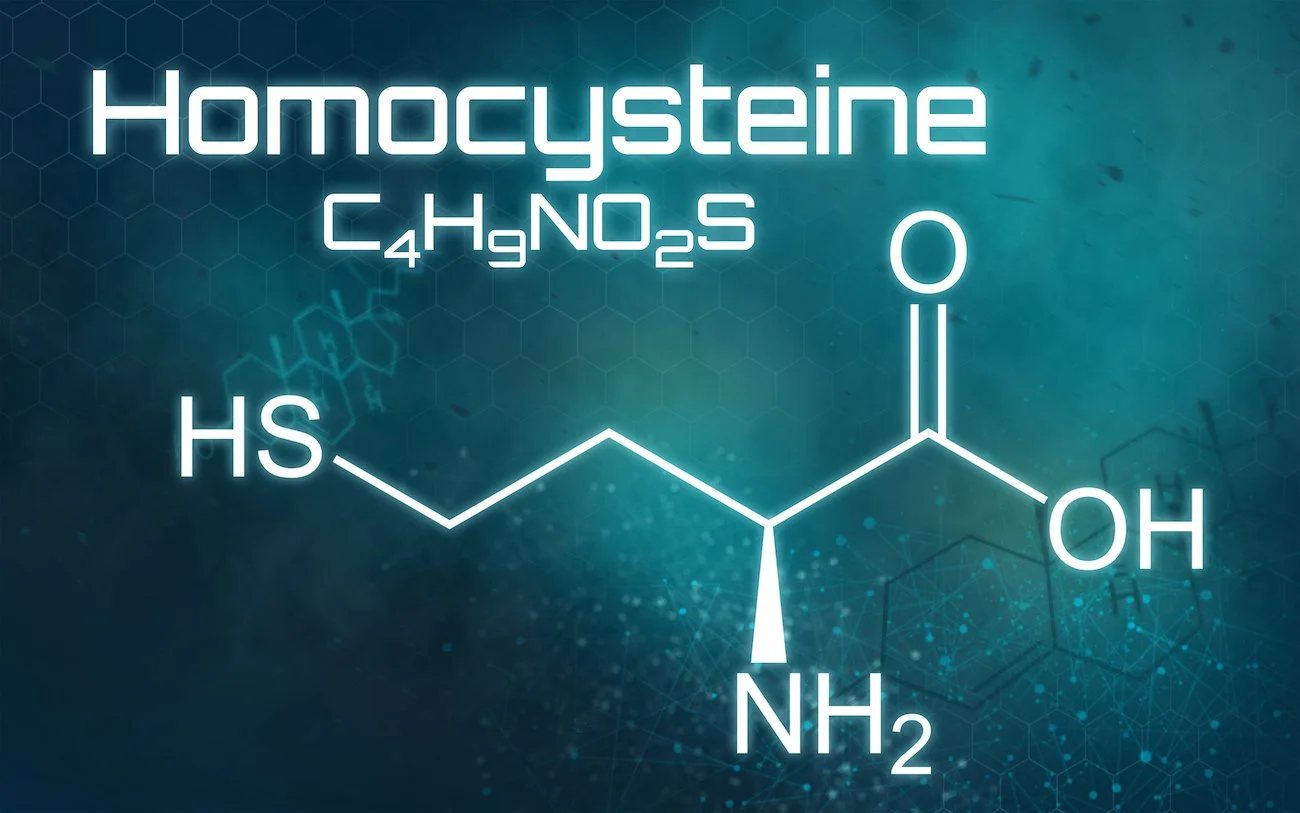
Homocysteine is an amino acid in the blood produced when the body breaks down proteins, specifically methionine.
Homocysteine is an important part of the methylation cycle as it must to recycled back into methionine. Methionine then gets converted into SAM-e which is the universal methyl donor that allows the methylation process to begin.
When there are SNP’s to genes like MTR and MTRR, homocysteine clearance can be slowed down. If homocysteine is not efficiently converted back to methionine (remethylated), the methylation cycle slows down, leading to impaired cellular methylation and increased oxidative stress.
Mitochondria
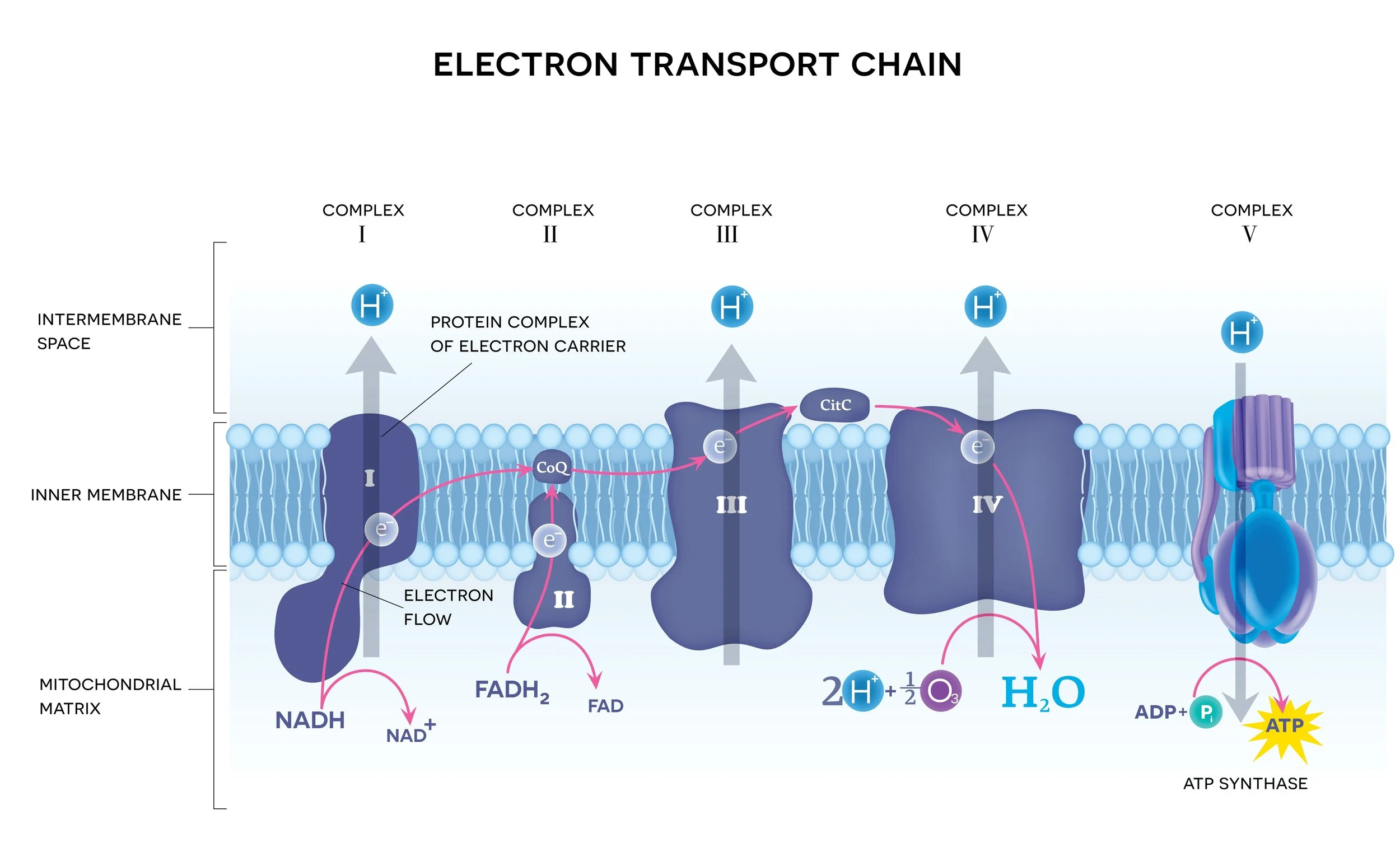
Mitochondria are known as “the powerhouse” of the cell. That’s because it is where the electron transport chain (ETC) is located. The ETC is where the final stage of aerobic respiration occurs yielding an amazing amount of ATP, which our body uses as fuel. Our bodies utilize this energy to power all biological functions.
Recent studies show that roughly 94% of Americans are in a state of mitochondrial dysfunction. That means that our mitochondria are not producing the ATP that they should be and our cells are running short on energy to fund all those biological functions.
It doesn’t do us any good to improve biological function, if we still can’t afford to run those functions because we lack the ATP. That is why it is essential to improve the function of the mitochondria and why we go to such great lengths to make sure that your mitochondria are functioning at a high level.